
Curiosity
See what others are missing
The very best consultants see things no one else sees because they are boundlessly curious. They love exploring. They are interested in people, how things work, and how they can be improved. They ask the most thoughtful questions, the ones no one else is asking. That is why the symbol is Pi, because Pi never ends, much like curiosity. There is always more to notice, more to learn, and another question worth asking.
Represented by Pi — π — the endless number
Begin exploring the learning content for Curiosity below. Access it anytime, anywhere. Every learning component will immediately elevate how you notice what others miss and ask the questions that move work forward. New content is added to the platform every month.
What you'll find inside
- Self-reflection
- Modules
- Team challenges
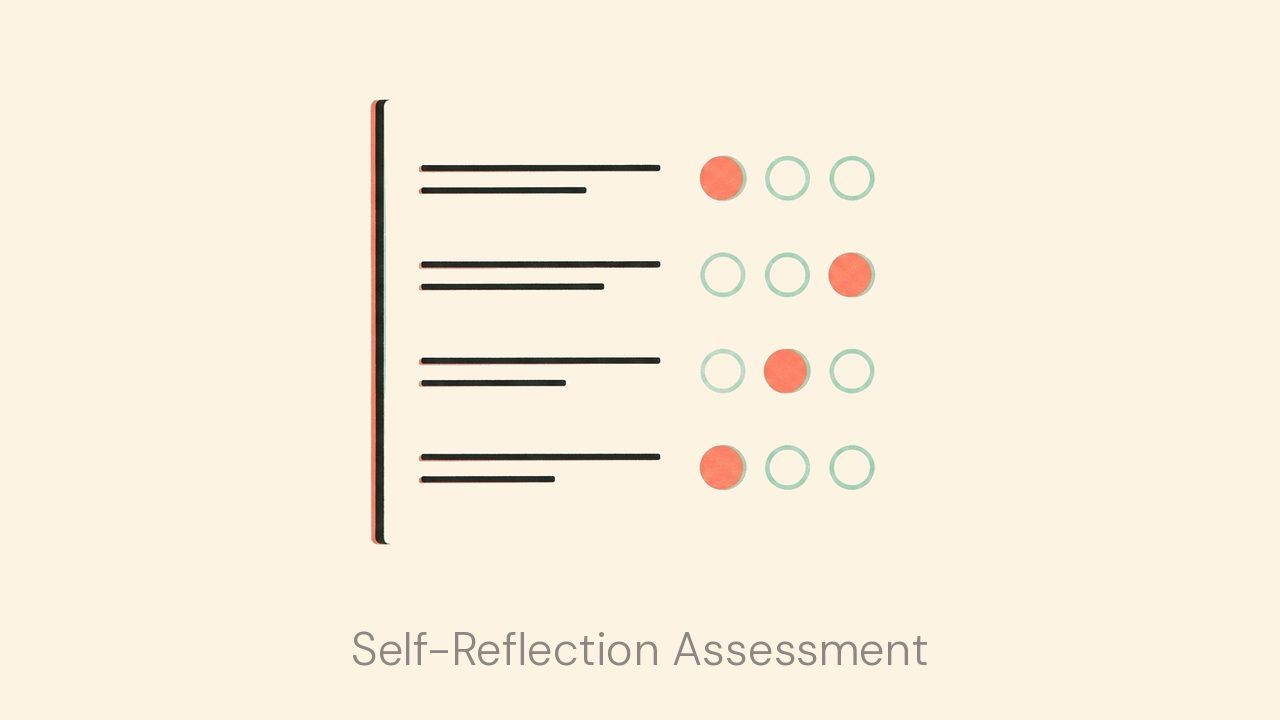
Your Natural Curiosity Style: An Insight Assessment
This self-assessment helps you discover which of the three curiosity styles comes most naturally to you. By understanding your default approach, you can expand your range, ask better questions and become more perceptive and effective in client conversations.
Epistemic Curiosity: The Discipline of Deep Learning
Epistemic curiosity drives the desire to understand things deeply. This form of curiosity helps you gather meaningful data, uncover patterns and build true knowledge about subjects and clients. It strengthens judgment, leading to wiser decisions and more thoughtful problem-solving.
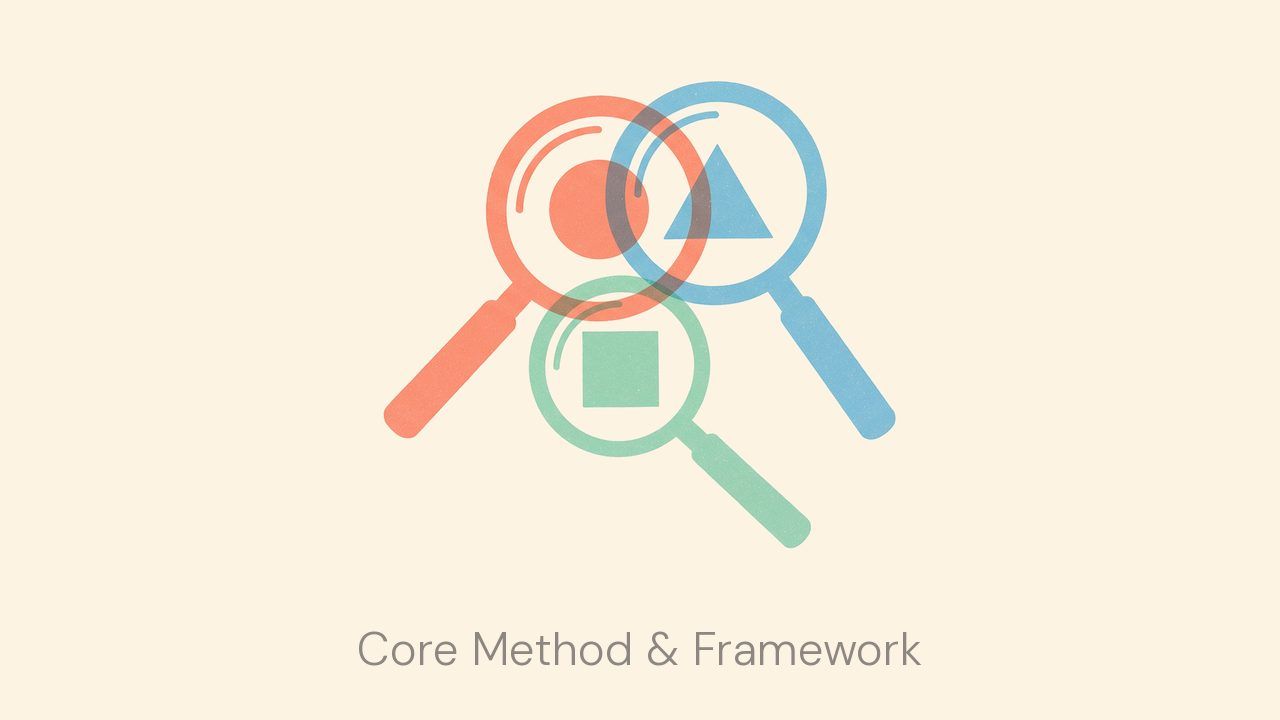
Diversive Curiosity: Expanding Perspective and Possibility
Diversive curiosity is the instinct to explore widely and notice what others overlook. It fuels creativity, sparks new connections and helps you see patterns across industries, ideas and experiences. This breadth strengthens innovation and gives you fresh angles in client work.
Empathetic Curiosity: Understanding Before Responding
Empathetic curiosity is the ability to understand how others experience the world. It deepens your listening, builds trust and enables you to grasp what truly matters to clients. This form of curiosity strengthens relationships and leads to wiser, human-centred decisions.
Why You Must Balance the Three Forms of Curiosity
The strongest consultants don't rely on one form of curiosity. They balance epistemic depth, diversive breadth and empathetic understanding. This module helps you strengthen all three and build teams that value each, creating insight, connection and change that genuinely improve the world.
The Nine Dimensions, all in one place
Three groups — Think Differently, Build Trust and Deliver Impact. Nine traits that make a consultant irreplaceable. Jump to any dimension below.