The Nine Dimensions of the very best consultancy and sales teams
As a learning partner, we specialise in developing the behaviours and skills of client-facing work. We have had the privilege of designing learning and assessments, and of working with teams, consultants and sales teams across the globe. After over two decades of research and work, we have identified the nine groups of skills that make the greatest difference between someone who is good at this and someone who is truly great. And this page brings them to life.
Whichever role you are in, the nine are always the same. They just apply differently.
- Curiosity
- Critical Thinking
- Creativity
- Character
- Communication
- Collaboration
- Curation
- Commercial Acumen
- Coaching
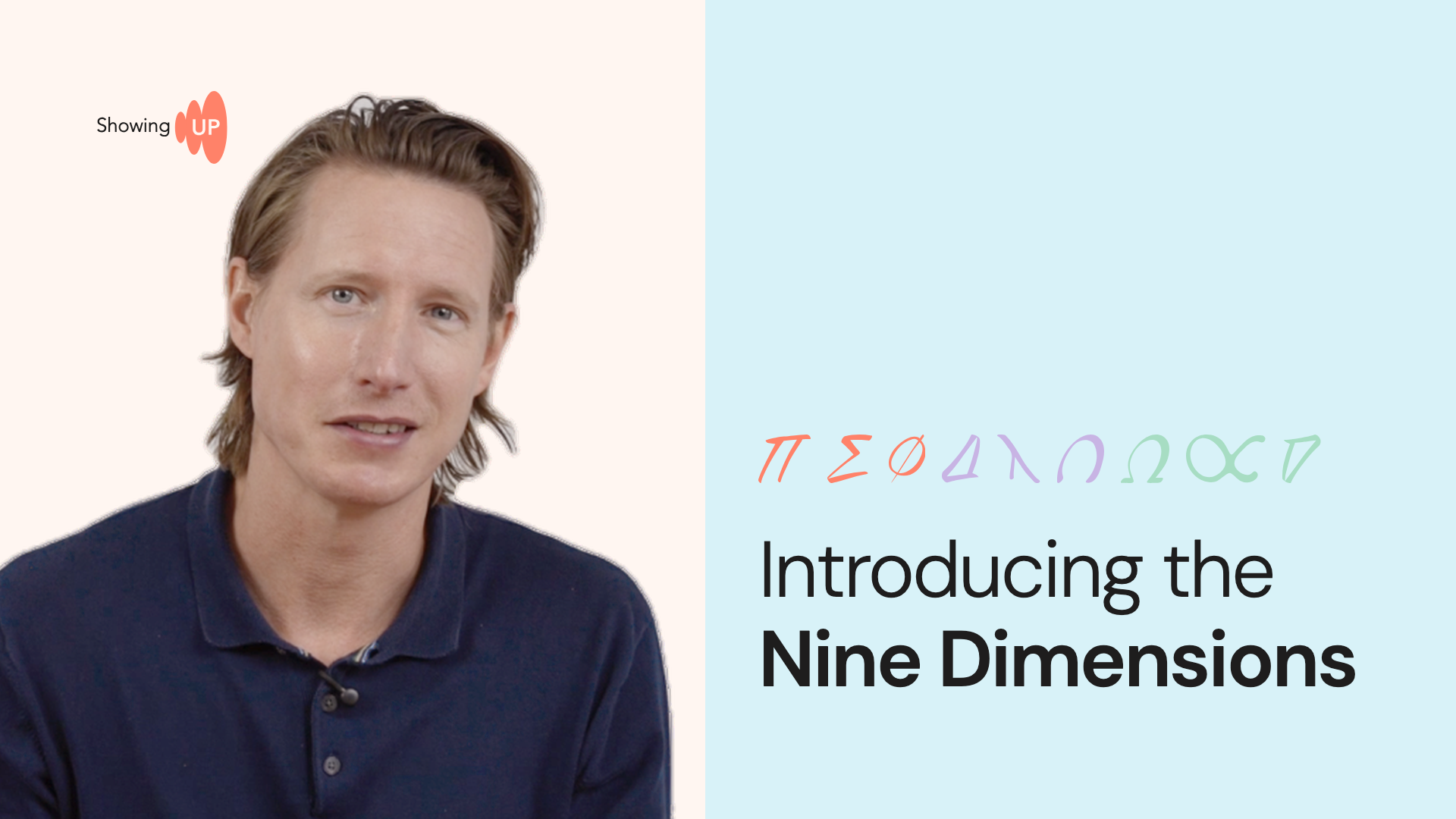
Think differently, build trust, deliver impact
Whether the work in front of you is advising or selling, it tends to move in that order. The nine sit inside it, and each one has a page of its own.
Two decades in the making
We have been developing the Nine Dimensions for over two decades, learning, coaching, researching and working with people on the front line of client work across many industries. The work has been an absolute joy. We launched the framework in 2025 after a great deal of testing, and with many of our clients now adopting it, here is how we built it.
- 12,000+people we have worked with
- 54markets we have worked in
- 10+years of development
-
1Two decades on the front line
Everything here was developed alongside client-facing teams at every level, with wonderfully engaged clients who let us test ideas inside their real work.
-
2A pattern kept repeating
We studied psychometric data from thousands of people, observed them in role, and listened to years of workshop feedback. The same pattern kept appearing.
-
3Named, ordered, teachable
We codified what we saw into the nine groups of behaviours and skills, and then tested it all with our clients, refining the framework until it held true.
-
4Built for utility
A framework should earn its keep. The nine exist so that people can see what great looks like in their own role, and get a little better every single day.
How the Nine Dimensions are structured
Everything about client work is dynamic, and none of it follows a perfectly straight line. But there is a general flow to how the strongest client relationships are built: you think differently about the problem in front of you, you build the trust to act on it, and you deliver the impact that turns into growth. The Nine Dimensions are structured around that flow, as you can see below, and you can read about each one in turn through the rest of this page.
and become irreplaceable to your clients
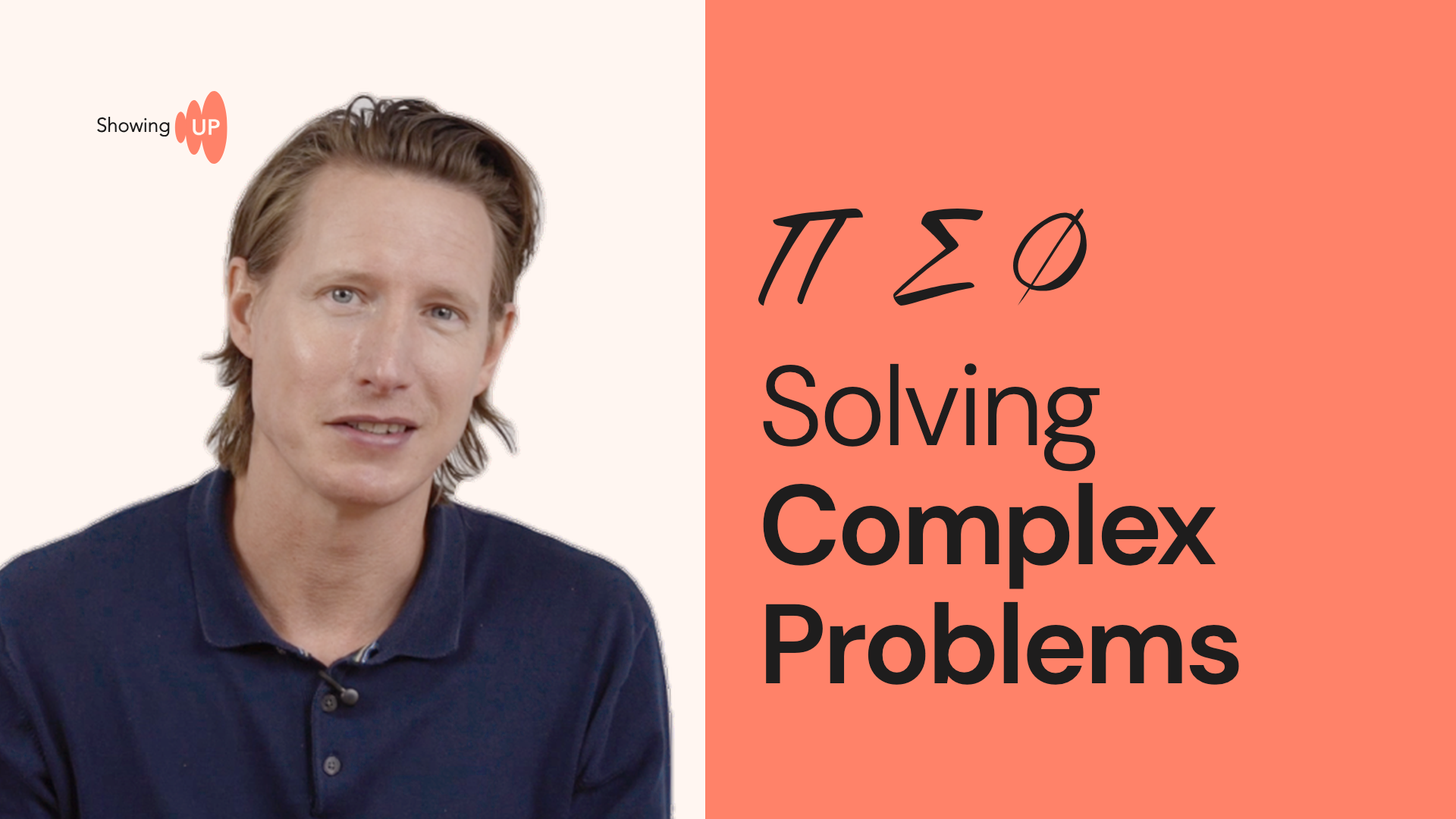
- Think Differently to solve complex problems CuriosityCritical ThinkingCreativity
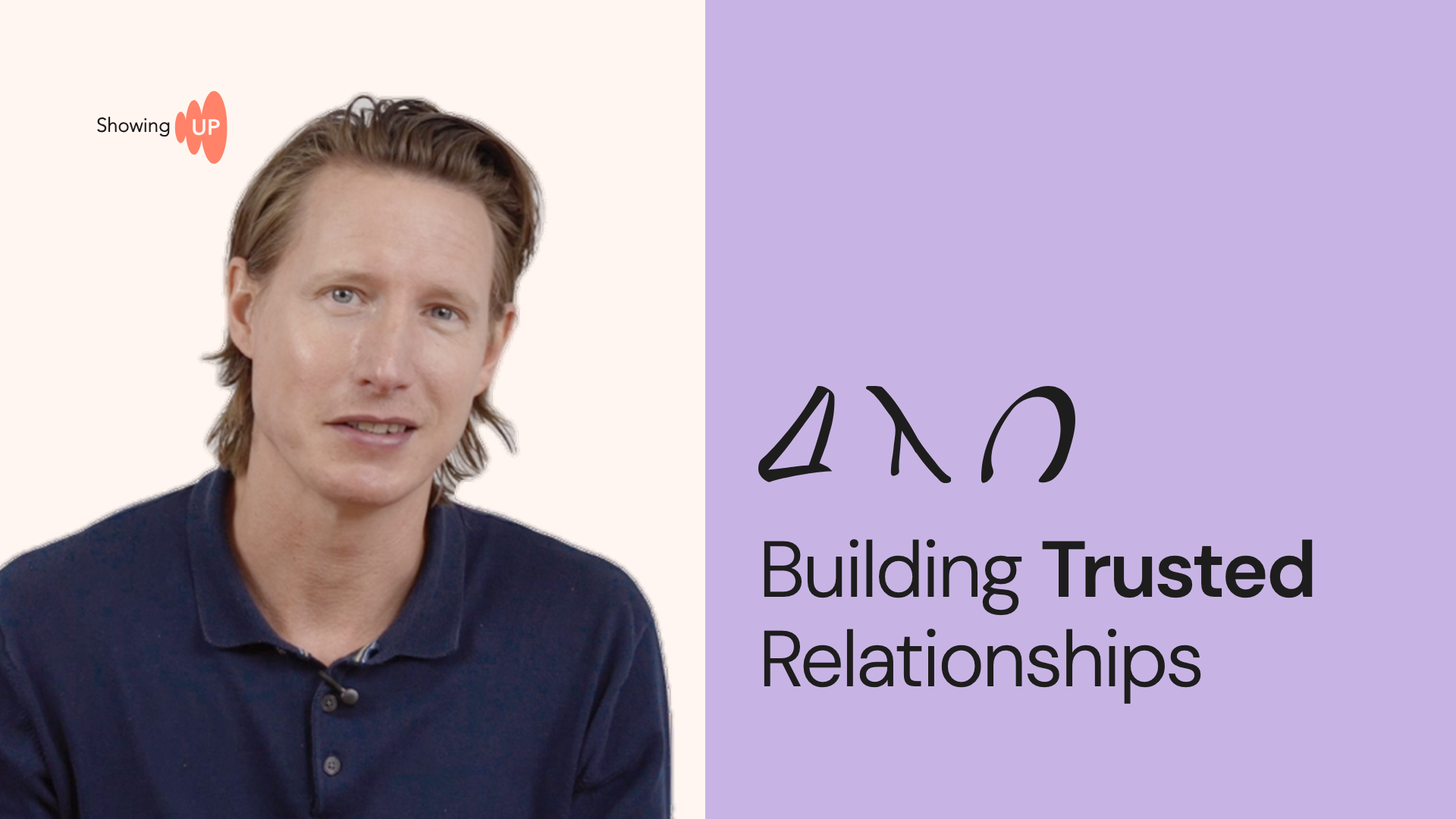
- Build Trust to earn relationships that last CharacterCommunicationCollaboration
- Deliver Impact to create growth and momentum CurationCommercial AcumenCoaching
Stage 1 of 3
Think Differently
To solve complex problems
Curiosity
See the world differently and ask the best questions
Everything the very best do begins with curiosity. They ask questions no one else is asking, thoughtful questions that make the client stop, think, and feel truly valued. And there are three different ways to be curious.
-
Epistemic
Dig deeper
The urge to know. Facts, figures, and the analysis underneath the analysis, several layers deeper than most people go.
-
Diversive
Wander wider
Learning without an agenda. Collecting the dots long before you can see how they will join up.
-
Empathetic
Feel further
Sincere interest in the people the work will affect, all the way to the person at the far end of the change.
What the client feels
Understood, not interrogated. People can always tell the difference, and when someone feels genuinely understood they open up. And as they open up, they begin to trust.
Critical Thinking
Separate signal from noise and bring clarity to complexity
Curiosity opens a problem up. Critical thinking brings everything you have gathered into focus, and refuses to reach for the easiest explanation. There are four disciplines behind it.
-
Understand
See the whole
Hold the full picture, not just its loudest piece, before deciding what is really going on.
-
Diagnose
Find the cause
Ask why, and then why again, past the first comfortable answer to the thing that explains the rest.
-
Connect
Think in systems
Notice how the parts push and pull on one another, rather than hunting for a single villain.
-
Test
Prove yourself wrong
Hunt for the evidence that would break your own theory, and hold the problem open a little longer.
What the client feels
Relief, and belief. They watch someone refuse the obvious story and arrive at the true problem rather than the convenient one, and their confidence grows with every step.
Creativity
Create fresh ideas and turn imagination into impact
Seeing a problem clearly is not the same as solving it. Creativity is what turns a sharp diagnosis into something better than what was there before, and it can be learned.
-
Combine
Connect worlds
Join ideas that do not obviously belong together, and carry what works in one world into another.
-
Dare
Back the new
A new idea feels exposed at first, and there is always a safer answer sitting on the shelf. Choose bravely.
-
Invite
Open the door
Offer a way forward that never requires the client to admit that everything before it was a mistake.
What the client feels
Hope, often for the first time in a long while. Understood first, and then shown a version of the future they can genuinely say yes to, and be excited by.
Stage 2 of 3
Build Trust
To earn relationships that last
Character
Be the person people trust and turn to first
Character runs through all of the other eight, because it shapes how every one of them shows up. It begins with self-awareness, and it is read from behaviour, not words.
-
Truth
Say it kindly
The courage to say the true thing with care, especially when the easy path is to soften it or leave it unsaid.
-
Vulnerability
Be real
Admitting what you do not know, owning mistakes, and being an authentic person rather than a polished performer.
-
Humility
Self-forgetful
Not thinking less of yourself, thinking of yourself less. Attention rests on the work and the people, not the impression.
What the client feels
Safe hands. This is the shift from competent supplier to trusted partner, and it makes you the person a client turns to first when something really matters.
Communication
Find the right words and inspire positive action
The finest thinking never reaches its potential unless you can communicate it. The work and the words have to move together, and the craft comes in three parts.
-
Shape
Build the story
Shape ideas into stories with a beginning, a turn and a landing, so the thinking can travel on its own.
-
Spark
Bring it alive
Read the room, lead with what the audience cares about, and make the complex simple and the simple compelling.
-
Write Well
Master the everyday
Most client communication is written. Emails, documents and messages that are clear, warm and worth reading.
What the client feels
Clearer and steadier than they were before the conversation, and holding the very words they need to carry the story onward to their own people.
Collaboration
Bring people together and create great work
Almost nothing of value is the creation of a single mind. The finest idea in the world goes nowhere until other people take it up and make it their own.
-
Understand
Start with them
You cannot bring people together until you understand how each of them sees the world, and why.
-
Include
Bring people with you
Never go around the difficult person, and never go over their head. Ask the reluctant to help shape the answer.
-
Bridge
Trusted by every side
When people on every side believe you will do the right thing, you can bring opposing rooms together.
What the client feels
Something larger than trust in one clever individual: their own organisation beginning to move in the same direction, which is worth more than any single recommendation.
Stage 3 of 3
Deliver Impact
To create growth and momentum
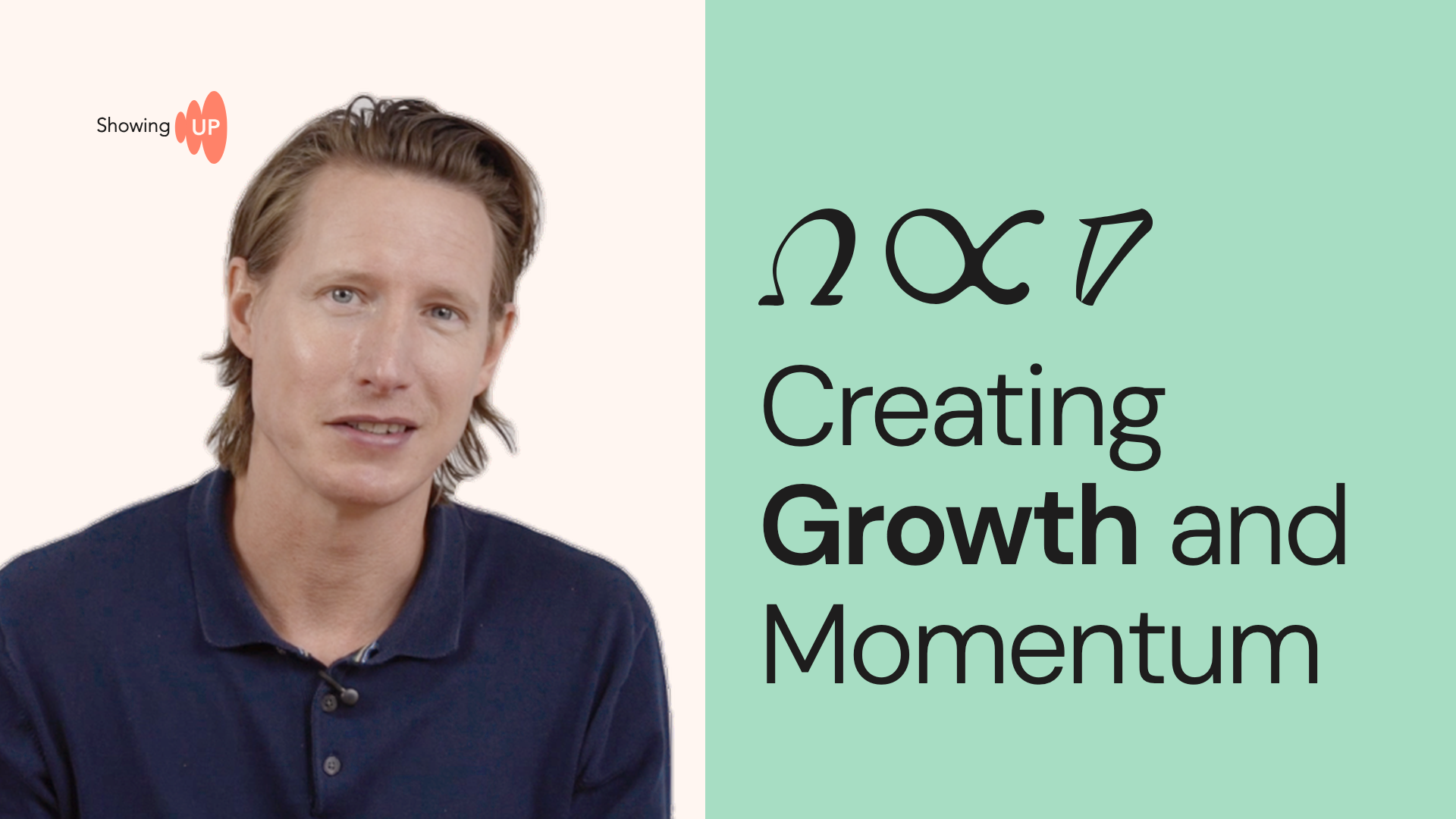
Curation
Create and shape experiences that move people
Every engagement is a sequence of moments. Curation is the craft of designing each one so that it lands, and then seeing the whole of it through to the end.
-
Design
Plan the moment
Every session built with intent: how it opens, who is in the room, and where the difficult moment should sit.
-
Hold
Run the room
Guide the conversation with care, and know when a silence will do more work than another slide.
-
Finish
Make it whole
Anyone can open a project or have the bright idea. Seeing it all the way through, so nothing drifts or dies, is the rare skill.
What the client feels
Resolution. Not a vague sense of progress, but the feeling that something stuck and unfinished for a very long time has finally, properly, been made whole.
Commercial Acumen
Deliver growth and negotiate with integrity
A good business is what lets you do more of the work you love. Commercial acumen is how the work proves its worth, and earns the right to continue.
-
Prove
Show the return
Whatever a client puts into the work, they should see a return that feels substantial, and genuinely shared.
-
Protect
Client first
The willingness to put the client's interest ahead of the invoice is precisely what brings them back for years.
-
Grow
Carry more
From valuing your own time, to winning new work, to carrying responsibility for the client's whole return.
What the client feels
Not sold to, but looked after, even protected. That feeling is what turns a single engagement into a relationship that lasts for years.
Coaching
Bring out the best in yourself and in others
Across every age and every field, the truly great have had someone to turn to for counsel, challenge and honest guidance. That is what coaching is.
-
Receive
Be coachable
Everyone has blind spots they cannot see alone. The best welcome feedback rather than defending against it.
-
Give
Coach others
Feedback that is open, honest and kind all at once, landing against a shared picture of what great looks like.
-
Multiply
Coach the client
In time you coach the people you lead, and the very best quietly build the confidence of their clients too.
What the client feels
Confident enough to carry the story themselves, coached rather than directed, and rising together with the people around them.
Why every dimension has a symbol
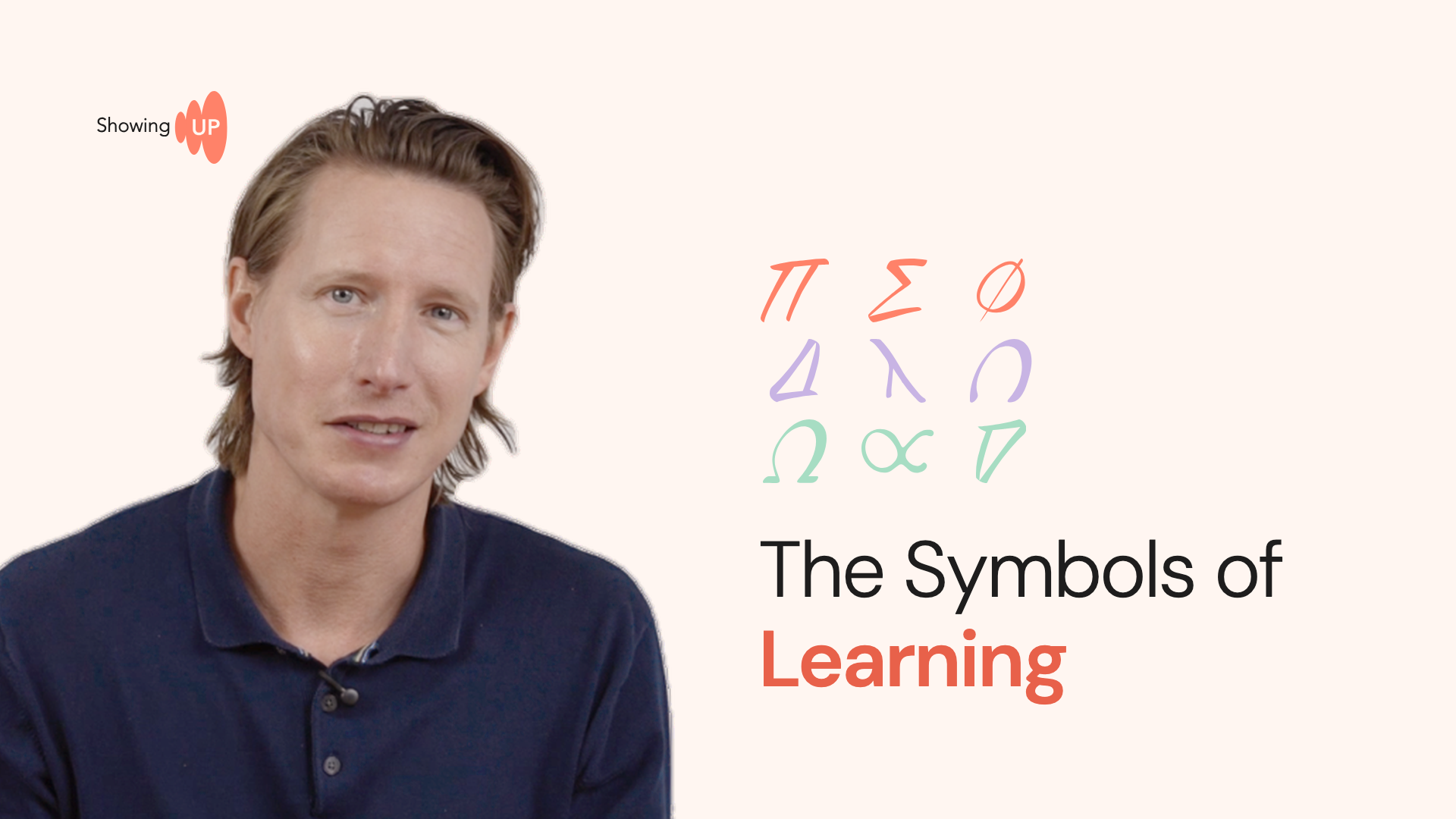
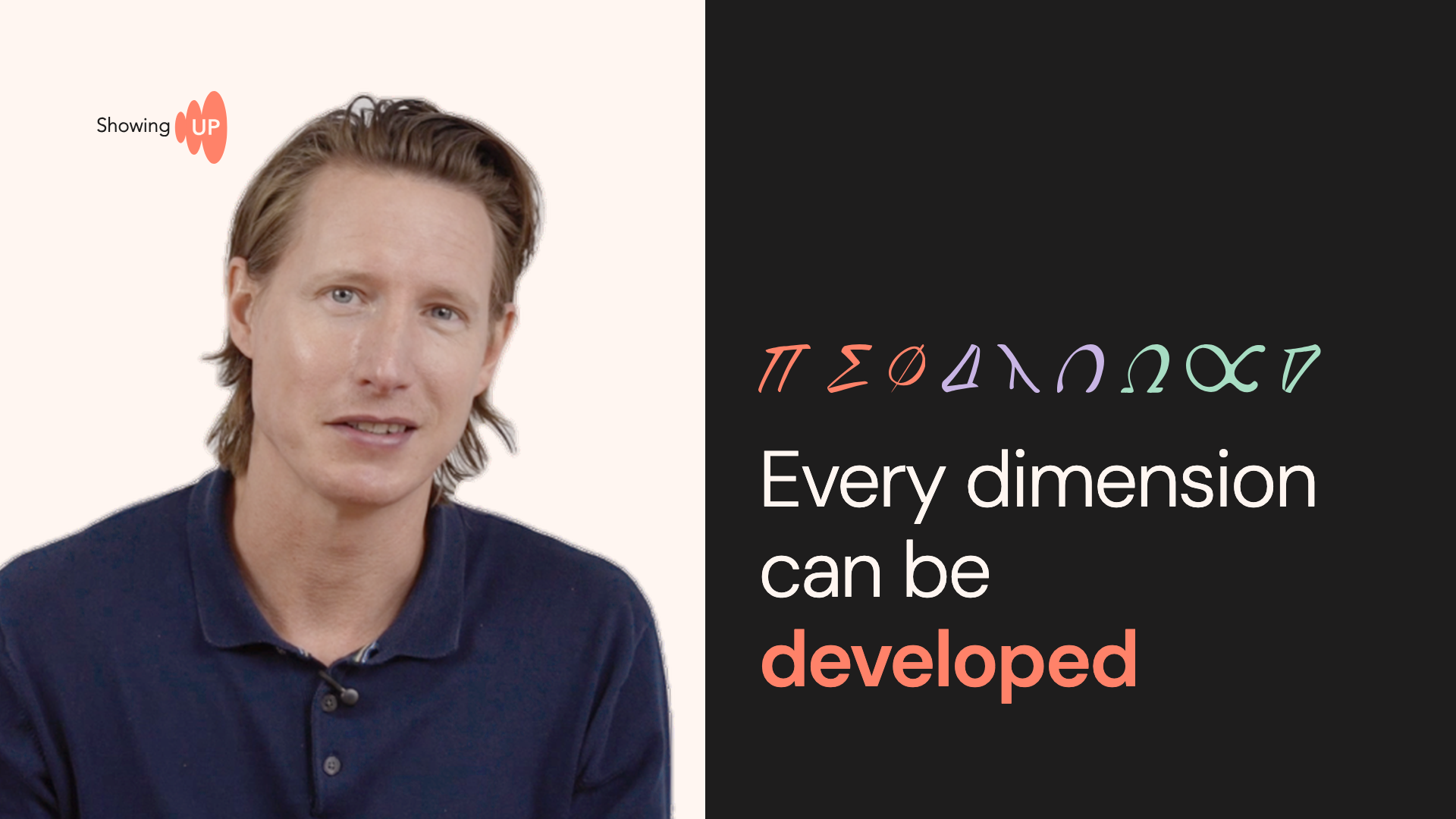
Each dimension carries a symbol, drawn from mathematics and Greek letters.
All nine dimensions begin with C, and clients gave warm feedback on the alliteration. But the symbols go further, for a reason grounded in psychology: the picture superiority effect. In classic experiments people recognised thousands of images days later with around ninety per cent accuracy, something nobody manages with word lists. John Medina (Brain Rules) puts the everyday version at roughly ten per cent recall of heard information after three days, rising to around sixty-five per cent when paired with a picture.
A good symbol compresses a rich idea into a single mark that is hard to forget. Pi carries the endlessness of curiosity; sigma the summing-up of scattered evidence; delta the daily rebuilding of character; nabla the steepest path of growth. Consultants who learn the framework tend to keep the symbols long after the course ends, and that is the point: a framework only changes behaviour if people can hold it in their heads on a Tuesday afternoon with a client in front of them.
Five levels, from Discovering to Pioneer
Every dimension is mapped across the same five levels, and every level is written as behaviour you could see and hear in the room, so progress is never a matter of opinion. The aim over a career is Fluency in all nine, Leading in three or four, and Pioneer in one. Becoming a Pioneer is, by definition, rare. It is the strength you are best known for.
-
Level 1
Discovering
is where you meet a dimension properly for the first time, and you can do it when someone points the way.
-
Level 2
Developing
is real effort with uneven results: good in familiar territory, wobblier under pressure.
-
Level 3
Fluent
is when you do it naturally, unprompted and reliably. This is when you are really effective at what you do.
-
Level 4
Leading
means you hold a high standard even under pressure, and others learn by watching you.
-
Level 5
Pioneer
means you are advancing the craft itself: teaching it, shaping it, becoming known for it.
Where each stage of a career typically sits, whether you consult or sell
- also: Analyst · Associate · Business Analyst · Sales Executive · SDR
- also: Consultant · Senior Associate · Account Manager · Territory Manager
- also: Engagement Manager · Project Leader · Key Account Manager · National Account Manager
- also: Associate Partner · Managing Director · Global Account Director · Head of Sales
Titles vary firm to firm. Growth is continuous, not a series of jumps.
Utility: everyone reaching their greatest potential
People call this sort of thing a competency framework, a skills matrix, a behaviour framework. We call ours a Career Development Map, because that is what it is for. It exists so that a manager and a team member, or two colleagues, can have a genuinely great conversation: this is what great looks like here, and this is how you get there. And every one of the nine can be developed.
Maps for every role
- ConsultantsCuriosity sample
- Key & Global Account ManagersBeing written now
- FMCG Field SalesBeing written now
- Internal Sales (Outbound Sales)Being written now
Every day
A framework only matters if it is lived, and that takes the right learning arriving at the right moment, so that people get a little better every single day.
Up to
90%
of what is taught in a classroom is forgotten within a month.
Classroom training is where we began, and it is still what we love doing. On its own, though, it is not enough. The other twenty-nine days of the month need looking after too.
So we built the platform to carry everything you need to develop these behaviours and skills, whenever you need it.
Video learning
Bite-size lessons on one behaviour, watched anywhere, used the same day.
Team games
Press play in any team meeting, and sharpen one thing while having fun.
Toolkits
A downloadable kit with every lesson, turning watching into practice.
360 assessments
See your strengths, and exactly what to work on next, dimension by dimension.
Career maps
One shared picture of what great looks like at every level, in your role.
Manager tools
Everything a manager needs to coach their team, not just run it.
Every paid seat also funds a free scholarship through the Showing Up Foundation, which aims to help one million young people into the workforce by 2035.
Looking to support your team's growth and development?
Please get in touch with our team for an initial discovery call
Book a discovery call